
History
A Place Shaped by Nature and Time
For centuries, people have come to Kārļamuiža for the landscape.
BEFORE THE MANOR
The Landscape Came First
Long before there was a manor, there was the Amata valley.
Here, among wooded hills, sandstone cliffs, meadows and the winding river, people had lived since ancient times. The area was inhabited already in the Iron Age, and maps from the 17th century show farmsteads in the valley near the place where Kārļamuiža would later grow.
The old names have also survived. Ainavu krauja was once Pelnu kalns — Ash Hill. The farming lands in the valley were known as Lācene, or Lāči — She-Bear, or Bears.
The landscape was already inhabited.
1754 · GUT KARLSRUH
A Manor Takes Shape
From farms and forest paths, an estate began to emerge.
Gut Karlsruh, 1795
1754
───
People came
here to walk
more than two
centuries ago.
A Landscape Made for Walking
By the end of the 18th century, Kārļamuiža was becoming more than a working country estate.
Along the Amata valley, paths were laid through forests and ravines, following the natural contours of the land. Viewpoints and quiet resting places turned a walk through the estate into a sequence of discoveries.
The intention was not to make nature appear formal or controlled. The landscape itself — river, cliffs, forest and distant views — became the experience.
Some of those paths still lead us through the landscape today.
The Landscape Was the Luxury
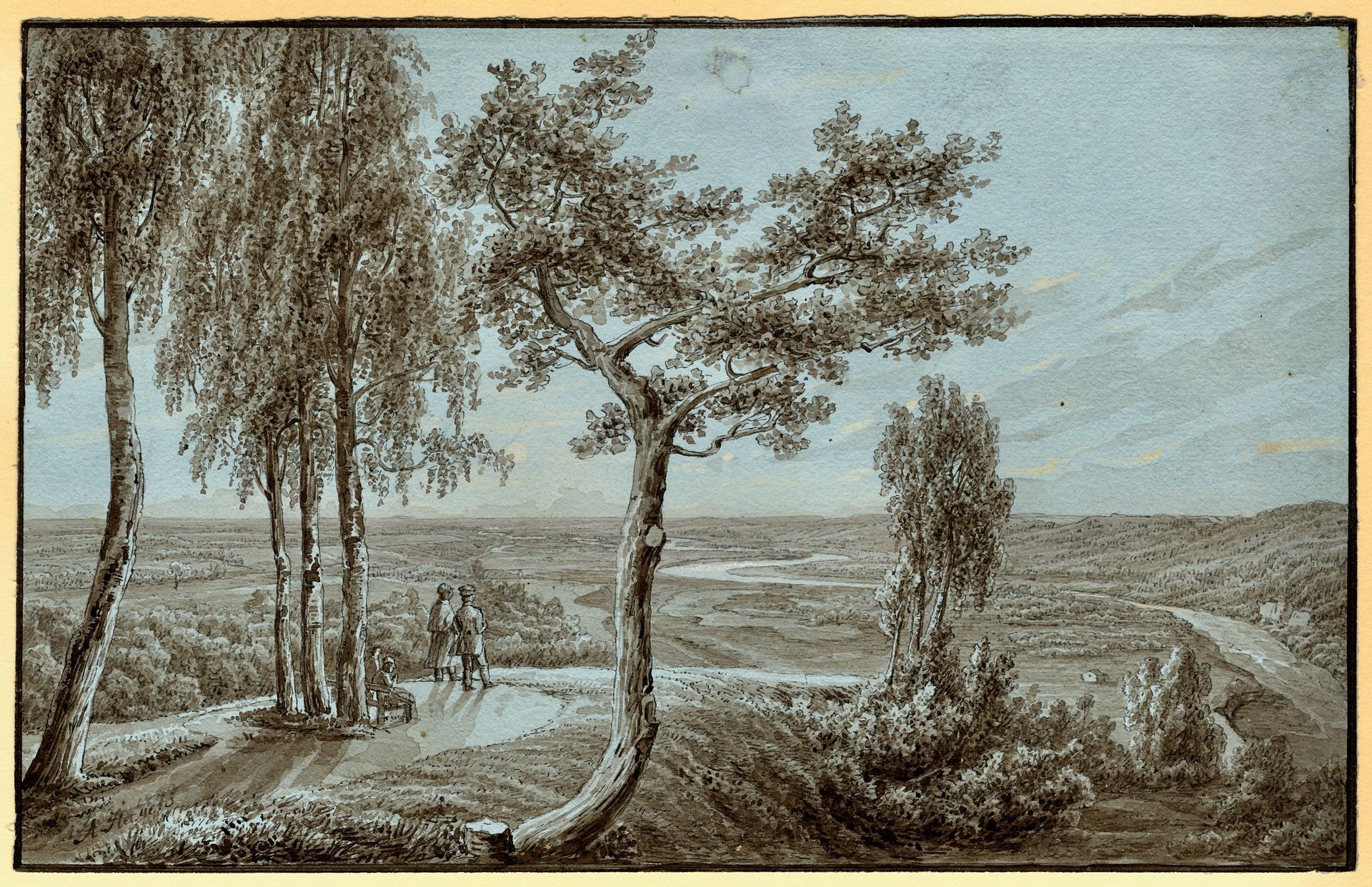
The landscape was never simply the background.
It was part of the experience.
Forest paths · River valleys · Sandstone cliffs · Quiet places to stop
Gut Karlsruh, 1795
The estate landscape was designed to be walked, viewed and experienced.
THOSE WHO SHAPED KĀRĻAMUIŽA
Every Generation Left Something Behind
The estate was shaped not by one family or one moment, but by people whose ambitions, ideas and circumstances changed the place over generations.
1777 · KARL EBERHARD VON SIEVERS
The Name That Remained
When Karl Eberhard von Sievers acquired the Cēsis Castle estate in 1777, Kārļi was already a substantial working farm estate.
Under the Sievers family, the estate became known as Karlsruhe, named after Karl Eberhard von Sievers.
Over time, Karlsruhe gave rise to the Latvian names Kārļi and Kārļamuiža — both still used today.
1787 · PETER CHRISTIAN VON SIEVERS
The Landscape Became the Experience
In 1787, Peter Christian von Sievers began shaping the landscape around Kārļamuiža in the tradition of the English landscape garden.
The idea was not to impose order upon nature, but to reveal what was already there. Paths followed the Amata, winding through forests and ravines towards sandstone cliffs, viewpoints and quiet places to rest.
This was not a formal park of straight avenues and clipped greenery. Its character came from the landscape itself — the river, the forests, the meadows, the cliffs and the changing views.
By the late 18th century, Kārļamuiža had already become a destination for travellers, artists and lovers of nature.
The estate was not only a place to arrive at. It was a landscape to explore.
A NEW CHAPTER
A Scotsman in Vidzeme
From Scotland to Riga. From Riga to the Amata valley.
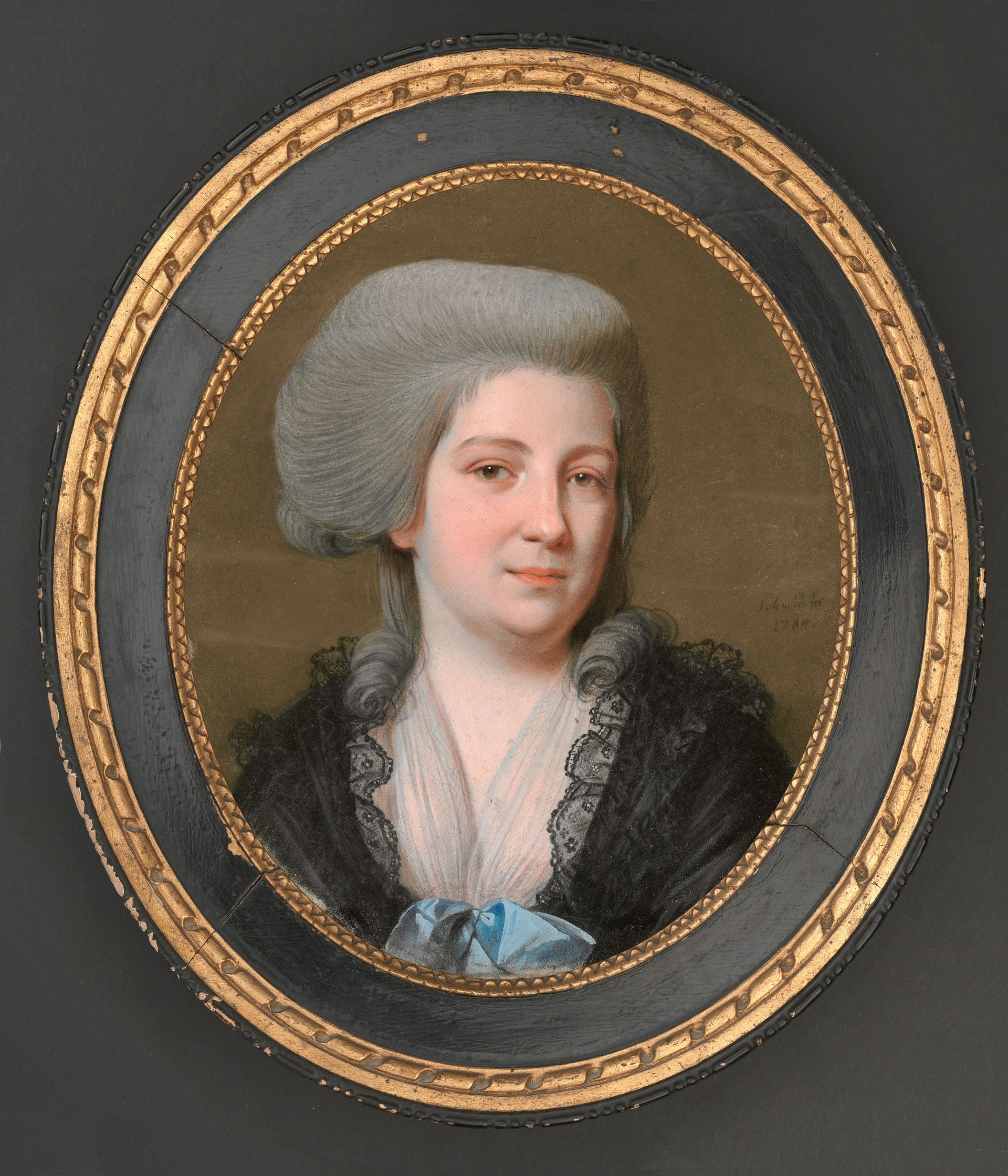
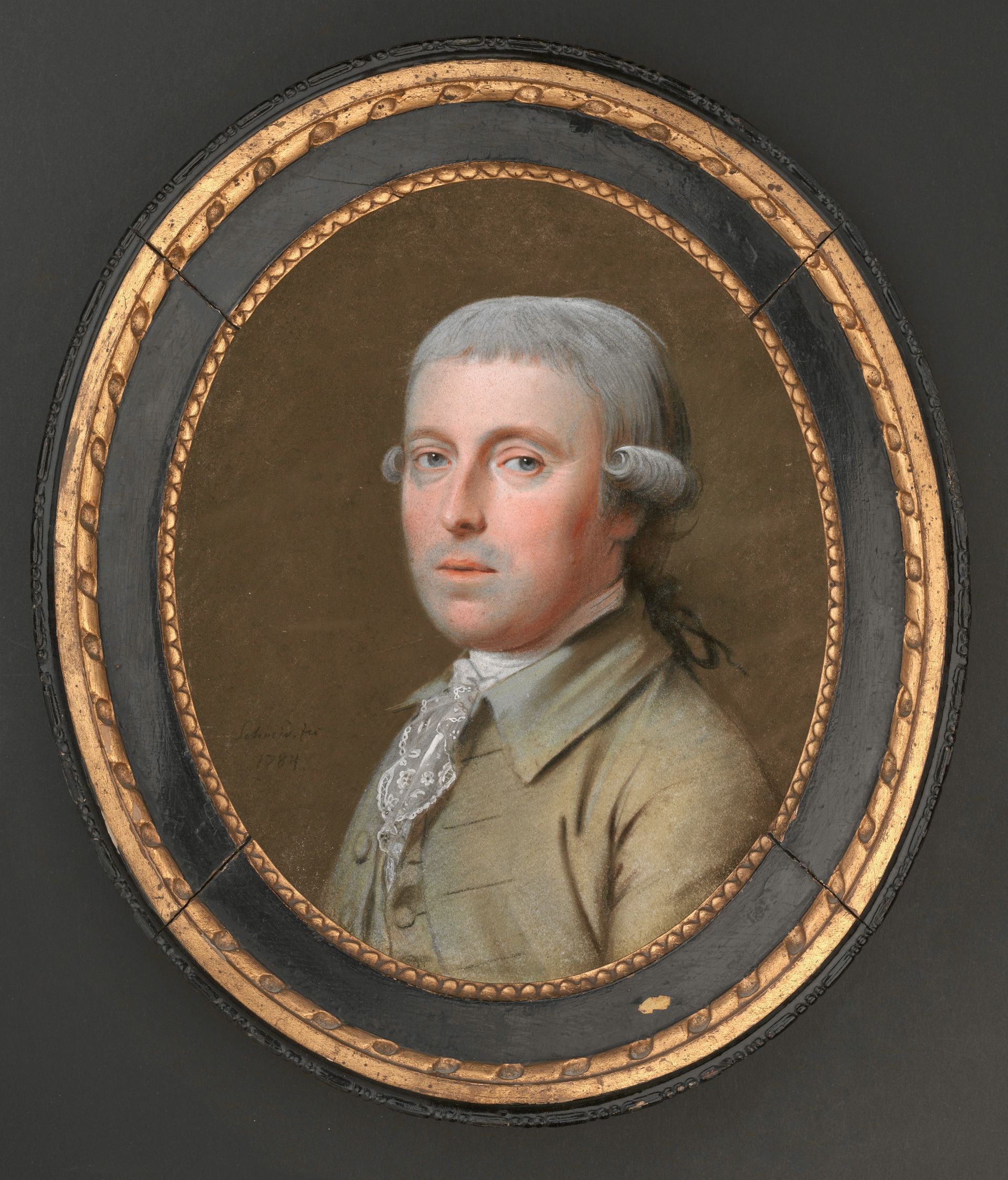
ANGELA MARIA PEARSON · JAMES PEARSON
FROM SCOTLAND
TO THE AMATA VALLEY
───
A merchant from Riga
came to Kārļamuiža
and built a new
manor house.
James Pearson did not arrive in Vidzeme as an ordinary country gentleman.
Born in Scotland in 1741 into the old Pearson of Balmadies family, he came to Riga around 1766 and entered the world of Baltic trade. His trading house exported timber, hemp, wax and other goods, principally to England, while its own ships connected Riga with British ports.
In Riga, Pearson became a member of the Brotherhood of Blackheads and later the Great Guild. His business prospered to such an extent that a later family chronicle described him as one of Riga’s wealthiest merchants and one of the leading merchants of Northern Europe.
Then, in 1795, his story took another turn. James and Angela Maria Pearson acquired Kārļamuiža and began a new chapter in the life of the estate.
James Pierson was also known for his thoughtful approach to the people who worked and lived on his estate. He cared about their well-being and established a school where the children of local peasants could learn the principles of trade and commerce. At a time when educational opportunities for rural children were limited, this was a forward-thinking initiative.
Pearson brought to the Amata valley not only considerable wealth, but the outlook of an internationally connected merchant. At Kārļamuiža, this ambition took architectural form.
A new manor house was built. By 1799 it was already standing: that year, the wedding of the Pearsons’ daughter Maria Anna was celebrated in what contemporary accounts called the new house at Kārļamuiža.
c. 1766 — Riga · 1768 — Brotherhood of Blackheads · Perseverance — Riga ↔ England · 1795 — Kārļamuiža
THE PEARSON YEARS
A New Manor House
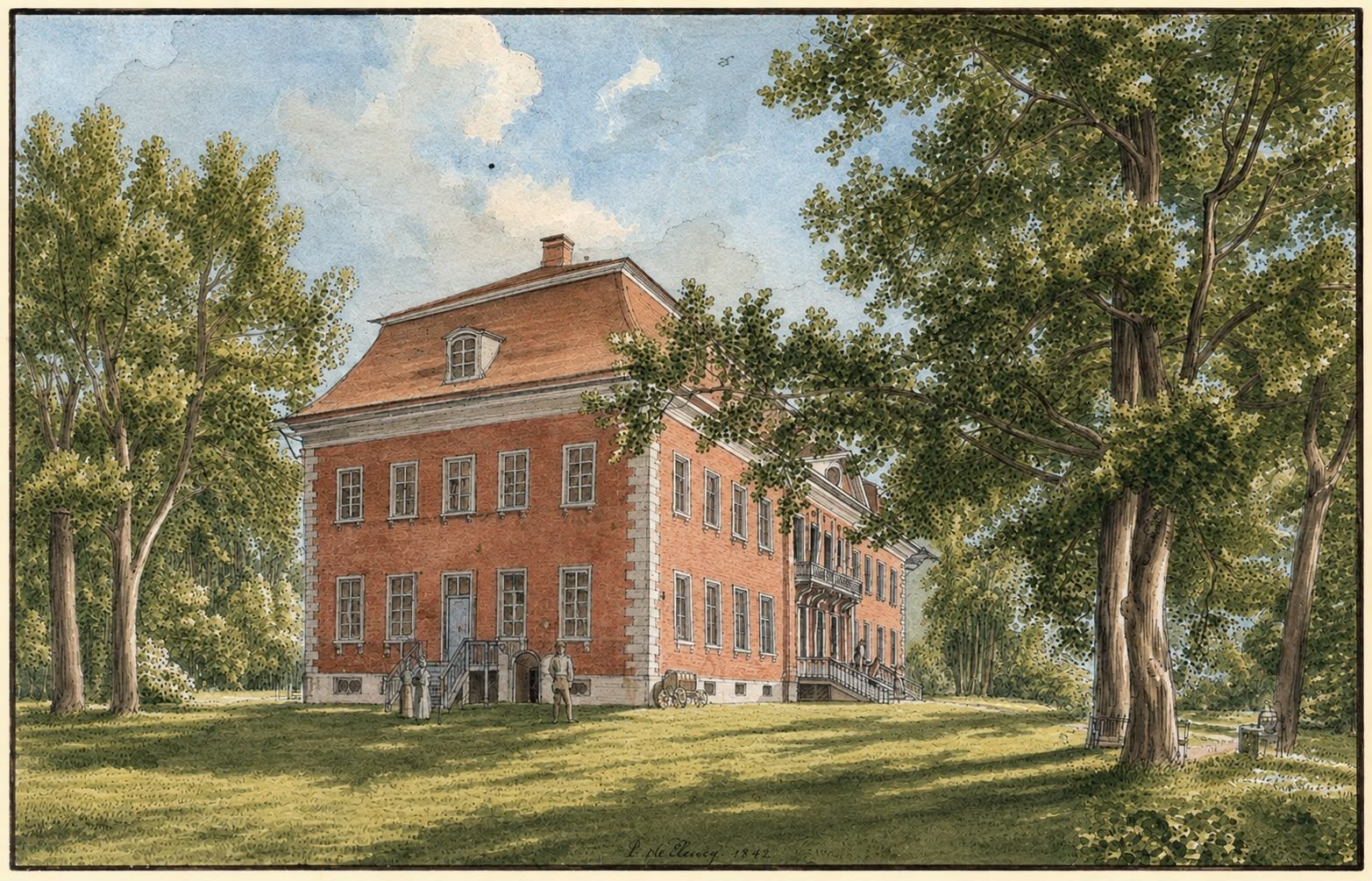
Kārļamuiža manor house · built during the Pearson period
By 1799, the new manor house was already standing.
That year, the wedding celebrations of James and Angela Maria Pearson’s daughter Maria Anna took place in the new house at Kārļamuiža.
A merchant’s ambition had become architecture.
1825 · JOSEF VON KOSCHKULL
Building for the Next Generation
For Josef von Koschkull, the future of Kārļamuiža became deeply personal.
After the early death of his wife, he never married again and raised their daughter Elīze alone.
Concern for her future became one of the forces behind a new period of development at Kārļamuiža. The estate economy was strengthened, and new buildings were added to the manor ensemble.
He was not simply enlarging an estate. He was preparing it for the generation that would follow.
19TH CENTURY · THE GARDENING ESTATE
The Estate Grows
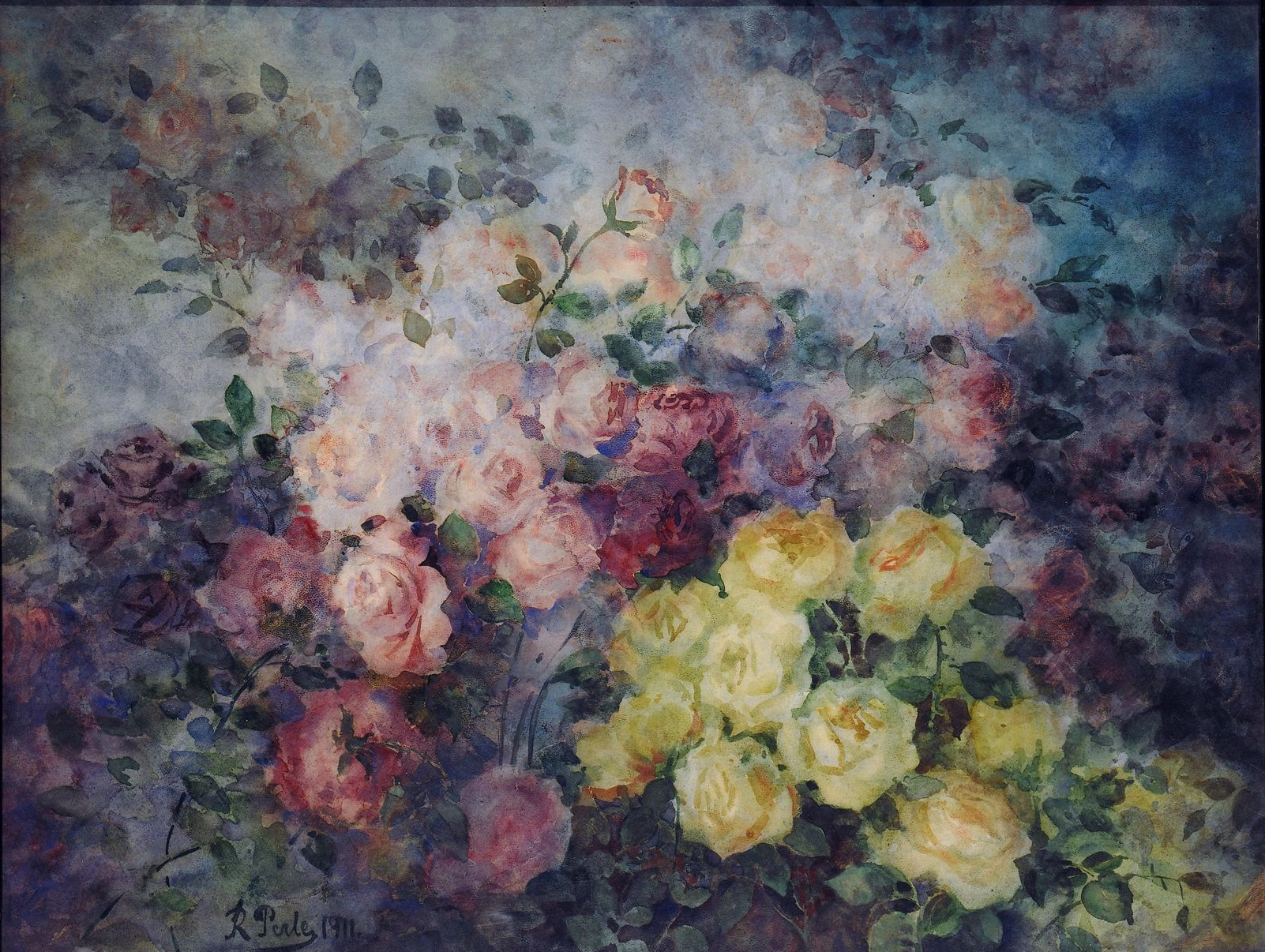
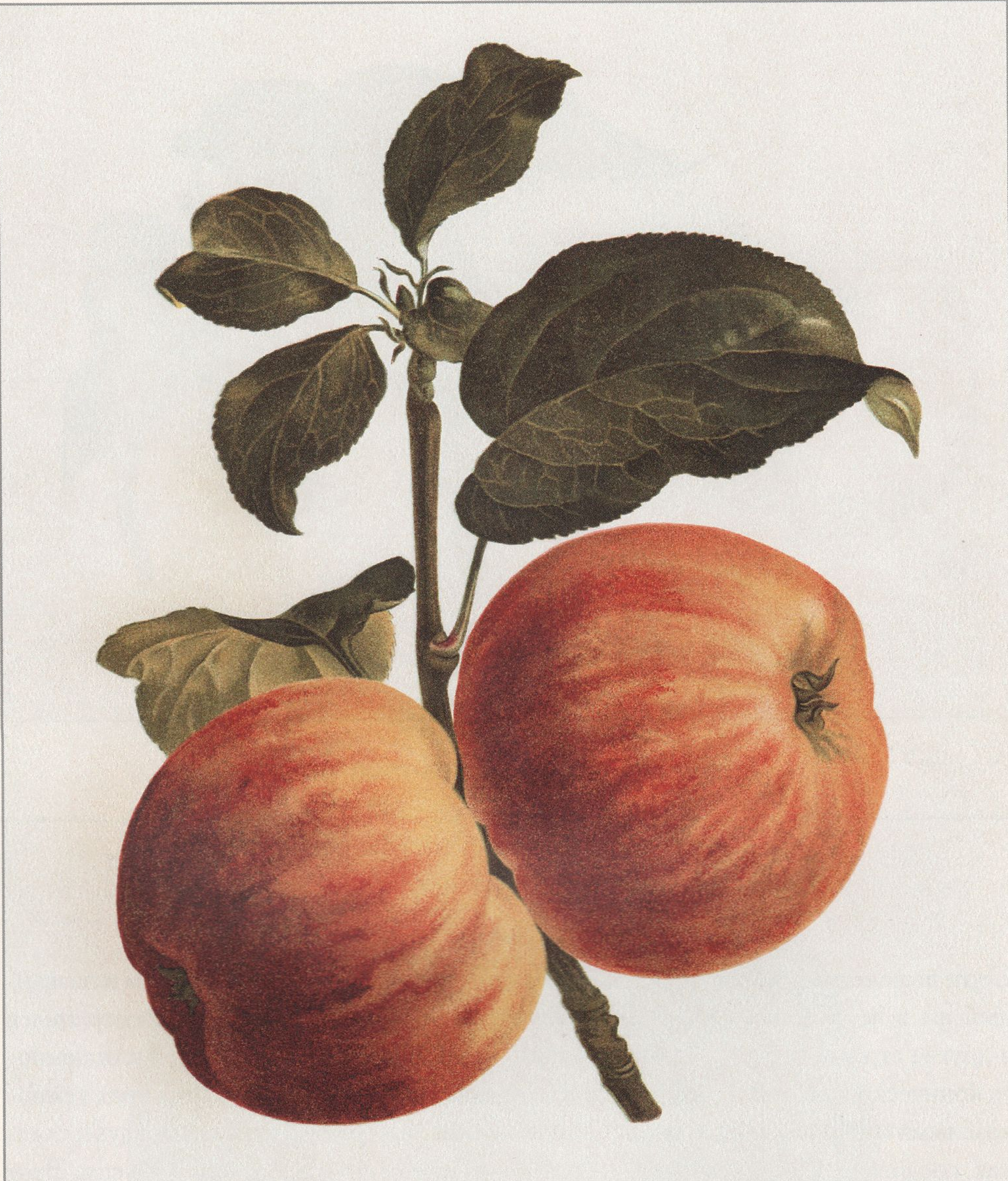
Alexander von Sievers turned horticulture into one of the defining chapters of the estate.
HORTICULTURIST · POMOLOGIST · ESTATE OWNER
The Gardener of Kārļamuiža
Alexander von Sievers was trained in horticulture, with a particular interest in pomology. He became a member of the Imperial Russian Horticultural Society and remained actively involved in its work.
At Kārļamuiža, that knowledge was put into practice on an extraordinary scale. Fruit trees, ornamental trees and shrubs, berries and flowers were propagated here, while the estate became known far beyond the Amata valley for its horticulture.
Plants grown at Kārļamuiža travelled far beyond the estate, reaching customers across the Baltic region and the wider Russian Empire.
For a time, Kārļamuiža was known not only for the beauty of its landscape, but for the remarkable horticulture that flourished here.
60+
pūrvietas
devoted to the nursery and gardens
30 000
plants
grown for sale each year
1,450+
varieties
listed in the 1911/12 catalogue
What Remains Today
The paths, orchard, landscape and stories of Kārļamuiža are not simply traces of the past. They remain part of the estate today.
Explore the Woodland Park
Walk through historic parkland, mature woodland and viewpoints overlooking the Amata Valley.
Discover the Old Apple Orchard
Follow the seasons of Kārļamuiža, from spring blossom to autumn harvest in the old estate orchard.
Return to The Estate
Continue exploring the history, landscape and living character of Kārļamuiža.
Stay Where History Lives
Wake to the landscape, history and quiet that have shaped this estate for centuries.
PLAN YOUR STAY
Find your dates